
Charging Ahead: Decoding Great Wall Motors’ Electrified Future for 2027
In the fast-evolving landscape of global automotive electrification, few stories are as compelling as that of China’s Great Wall Motors (GWM). From the rugged, tank-turning prowess of its off-roaders to the surging popularity of its Haval SUVs, GWM has built a reputation for capability and value. But as we cruise through 2026, the industry’s gaze is fixed firmly on the horizon—specifically, the 2027 model year. A flurry of spy shots, leaked patents, and whispers from the supply chain suggest that GWM is on the cusp of its most transformative leap yet. This article pieces together the evidence to forecast the future of GWM’s electric pickup trucks and the next generation of Haval SUVs, offering a tantalizing glimpse into a smarter, more sustainable, and fiercely competitive future.
The 2027 Electric Pickup: GWM’s Bid for Global Dominance
The pickup truck segment, long dominated by fossil fuels and traditional design, is the final frontier for electrification. GWM, with its successful Poer (P-Series) trucks in markets like Australia and South Africa, is not content to be a spectator. All signs point to a 2027 global launch of a fully electric pickup designed to compete with the likes of the Ford F-150 Lightning, Rivian R1T, and the anticipated Tesla Cybertruck rivals.
Spy Shot Analysis & Design Language
Heavily camouflaged prototypes, spotted testing in Inner Mongolia and Hebei, reveal a vehicle with a commanding presence. While the cladding hides the finer details, the silhouette is unmistakably modern and aerodynamic—a departure from the boxier Poer.

Conceptual representation of a camouflaged electric pickup prototype. (Image: Unsplash/Representative)
Key elements gleaned from the spy shots include:
- Extended Wheelbase & Flat Floor: The long wheelbase and absence of a transmission tunnel hint at a dedicated EV skateboard platform, promising vast interior space and a front trunk (“frunk”).
- Signature Lighting: Sleek, full-width LED light bars at the front and rear, reminiscent of the Ora and Wey brand designs, suggest a strong digital identity.
- Robust Undercarriage: Visible heavy-duty suspension and significant ground clearance point to retained off-road capability, a core tenet of the GWM brand.
Rumored Specifications & Platform Tech
Based on leaks from battery suppliers and job postings for “high-voltage platform engineers,” we can extrapolate formidable specs:
- Platform: Likely a evolution of GWM’s dedicated “LE” platform, scaled for a full-size pickup, offering 800-volt architecture for ultra-fast charging.
- Powertrain: Dual- and quad-motor configurations for exceptional torque vectoring. Rumors suggest a top-tier model targeting 0-100 km/h in under 4.5 seconds and a towing capacity exceeding 3,500 kg.
- Battery & Range: A massive battery pack option, potentially 150 kWh+, aiming for a WLTP-rated range of 550-650 km. Breakthroughs in GWM’s own “S-cell” battery technology could improve energy density and safety.
- Tech & Autonomy: Expect the full suite: over-the-air updates, a sprawling head-up display, and an advanced driver-assistance system (ADAS) leveraging LiDAR, capable of Level 2+ hands-free highway driving.

Modern EV skateboard platforms are key to future pickup design. (Image: Unsplash/Representative)
The Next Generation of Haval SUVs: Beyond the H6
The Haval H6 has been a phenomenal success, but in 2027, the entire lineup is due for a revolution. The focus will shift from incremental updates to a holistic, platform-based redesign centered on connectivity, efficiency, and modular electric powertrains.
Spy Shots: The H9’s Radical Return & Compact EV Crossover
Two sets of prototypes are generating the most buzz:
1. The Haval H9 (or “Havalanche”): Once a rugged body-on-frame SUV, the next H9 appears to have morphed. Spy shots show a unibody construction, independent suspension all around, and a design language that blends Tank-brand masculinity with Haval’s modernity. It’s poised to be a high-tech, luxury-focused family adventurer, likely offering PHEV and BEV variants.
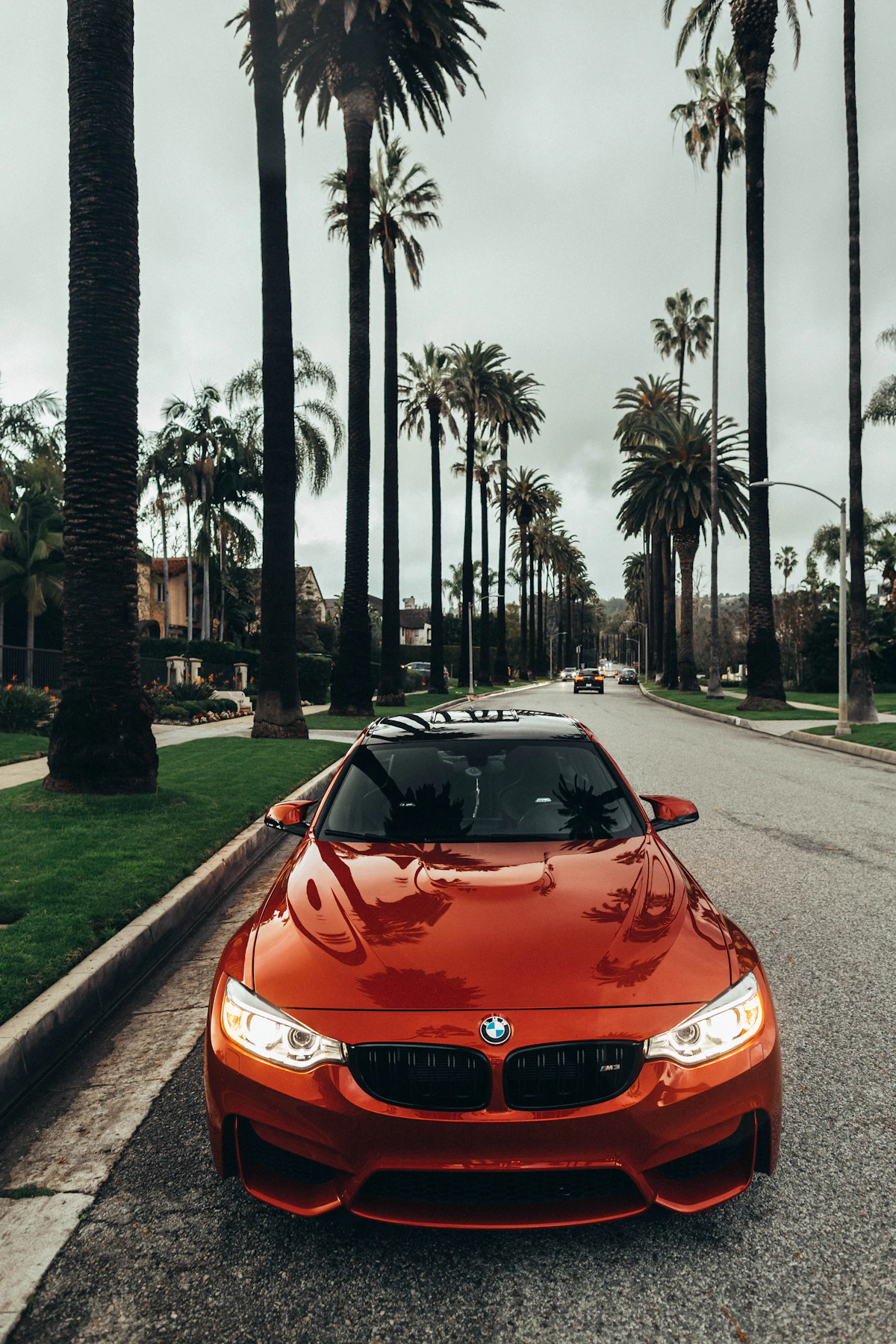
Conceptual image of a next-generation luxury SUV prototype. (Image: Unsplash/Representative)
2. The “Haval E-Light”: Codenamed internally, this compact, sleek crossover is clearly a pure EV. Its proportions, flush door handles, and clean surfaces scream efficiency. It’s expected to be the first Haval to sit on a new, low-cost EV platform aimed squarely at the global mainstream market.
Rumored Features: The Software-Defined SUV
The 2027 Havals won’t just be new cars; they’ll be rolling tech hubs. Persistent rumors highlight:
- Coffee AI 3.0: GWM’s proprietary intelligent cockpit system will evolve into a comprehensive AI assistant, managing everything from navigation and entertainment to predictive cabin comfort and advanced biometrics.
- Vehicle-to-Everything (V2X): Expect these SUVs to communicate with infrastructure, other vehicles, and even home grids, enabling features like smart charging, intersection collision warnings, and emergency vehicle alerts.
- Modular Powertrains: A single platform supporting multiple battery sizes and motor layouts (FWD, RWD, AWD) will allow Haval to rapidly deploy models for different regions and price points.
Strategic Implications & Global Competition
GWM’s 2027 offensive is not happening in a vacuum. This push represents a critical pivot from a regional powerhouse to a credible global EV player.
Battery & Supply Chain Sovereignty
GWM’s vertical integration, through its subsidiary SVOLT, gives it control over battery cell production—a massive strategic advantage in an era of supply chain constraints. The 2027 models will be the first to fully benefit from this in-house tech, potentially offering better cost and performance metrics than competitors reliant on third-party suppliers.
Target Markets: Beyond China
The electric pickup and next-gen Havals have clear global targets: Europe (for the compact EV Haval), Australia/ASEAN (for the pickup and rugged SUVs), and potentially Latin America. Success hinges not just on product, but on establishing robust sales, service, and charging networks—a challenge GWM is actively addressing with local partnerships.
Conclusion: A Defining Moment on the Horizon
The spy shots and rumors coalesce into a clear narrative: Great Wall Motors is engineering a profound metamorphosis. The 2027 electric pickup is shaping up to be a technological flagship that carries the brand’s tough DNA into the zero-emissions era. Simultaneously, the next-generation Haval SUVs promise to democratize advanced connectivity and electric mobility for millions. As 2026 unfolds, expect the camouflage to slowly peel back, revealing the vehicles that could redefine GWM’s legacy. For competitors and consumers alike, the message is clear: the Great Wall is not just a barrier; it’s a foundation for an ambitious, electrified future. The race for 2027 has already begun, and GWM is charging hard from the starting line.